


In modern homes and workplaces, electronic devices and appliances are part of everyday life. From computers and kitchen appliances to entertainment systems and lighting, electrical equipment helps us work and live more comfortably. However, these devices are vulnerable to unexpected power disturbances that can cause damage, shorten equipment lifespan, or lead to safety hazards. Prioritising electrical safety through proper measures not only protects your devices but also enhances peace of mind and reduces the risk of costly repairs due to power issues.
What Causes Power Disturbances?
Electricity supplied to buildings does not always remain perfectly stable. Fluctuations can occur for several reasons. Common causes include lightning strikes, faulty wiring, utility grid issues, sudden load changes when large appliances turn on or off, and even external disruptions like storms. These disturbances can lead to sudden spikes in voltage — known as surges — that can harm sensitive electronics.
A brief surge might last only fractions of a second, but even short events can damage chips, circuits, and power supplies inside devices. Without proper safeguards, repeated exposure to these fluctuations accelerates wear and tear.
How Devices Are Affected by Power Surges
Power surges do not always result in immediate failure. In many cases, the gradual degradation of internal components goes unnoticed until the device suddenly stops working. Common signs that equipment may have been weakened by power issues include:
- Unexpected shutdowns or reboots
- Flickering displays or erratic performance
- Shortened lifespan of appliances
- Strange noises or overheating
Such symptoms often get attributed to age or manufacturing defects, but underlying power quality issues may be at fault.
What Is a Surge Protection System?
A surge protection system is designed to safeguard electrical equipment from voltage spikes by diverting or limiting excess energy before it reaches connected devices. It acts as a barrier between unpredictable power inputs and sensitive electronics, absorbing or redirecting excessive current to prevent damage.
This type of protection is especially important in environments where sensitive equipment like computers, servers, medical devices, and industrial control systems are in use. It also provides valuable security for everyday appliances in homes and workplaces alike.
How Surge Protectors Work
Surge protection devices monitor incoming electrical currents and respond when voltage exceeds a safe threshold. Inside these devices are components that temporarily absorb or channel excess voltage away from connected equipment, usually toward the grounding path. This prevents harmful energy from reaching device circuitry.
Different surge protection products are designed for various applications and levels of protection. Some are suited for individual devices, while others protect entire electrical panels or distribution boards in buildings.
Common Types of Protection Devices
When planning for electrical safety, it’s helpful to understand the various forms of protection available:
Point-of-Use Surge Protectors
These are commonly used as power strips or plug-in units that protect individual devices or small groups of appliances. They are often used with computers, entertainment systems, and small office setups.
Whole-Building Surge Protectors
Installed at the main electrical distribution point, these provide a first line of defence for all circuits in a home or facility. They help block surges before they travel through the wiring system.
Industrial Protection Systems
For commercial or industrial environments, robust protection solutions are designed to safeguard heavy-duty equipment and control systems, often integrated with additional monitoring and maintenance features.
Benefits of Installing Surge Protection
Investing in proper electrical safeguards brings several advantages:
- Device longevity: Reduces wear caused by voltage fluctuations
- Reduced repair costs: Prevents damage that leads to expensive replacements
- Safety enhancement: Minimises the risk of electrical faults and fires
- Peace of mind: Provides assurance that devices are protected from unexpected disturbances
These benefits apply in homes, offices, industrial facilities, and public infrastructures alike.
Where Surge Protection Fits in Electrical Planning
When designing or upgrading electrical systems, including surge protection is an important step in comprehensive safety planning. Builders, electricians, and facility managers often integrate these devices at strategic points in the electrical network, ensuring balanced coverage across all circuits.
Proper integration also means considering the type of load, wiring configuration, and grounding quality. A professionally assessed installation ensures that protection devices operate effectively and efficiently.
Selecting the Right Protection Level
Not all surge protection solutions are the same. Ratings such as joule capacity, clamping voltage, and response time help determine how effective a device will be in real-world scenarios. Higher joule ratings generally indicate stronger protection, particularly for environments that experience frequent or severe disturbances.
Electrical professionals can help determine the right specification for a given application based on load requirements, connected equipment, and expected risk levels.
Maintaining Surge Protection Systems
Once installed, surge protection systems should be checked periodically to ensure they remain functional. Over time, components that absorb surges can degrade, especially after multiple events, reducing their effectiveness. Inspections and tests help verify that protection continues as intended.
Regular maintenance can include visual checks, performance testing, and reviewing any indicator lights or alerts provided by the protection device.
Safety Tips for Everyday Electrical Use
Even with surge protection, good electrical habits improve safety and performance:
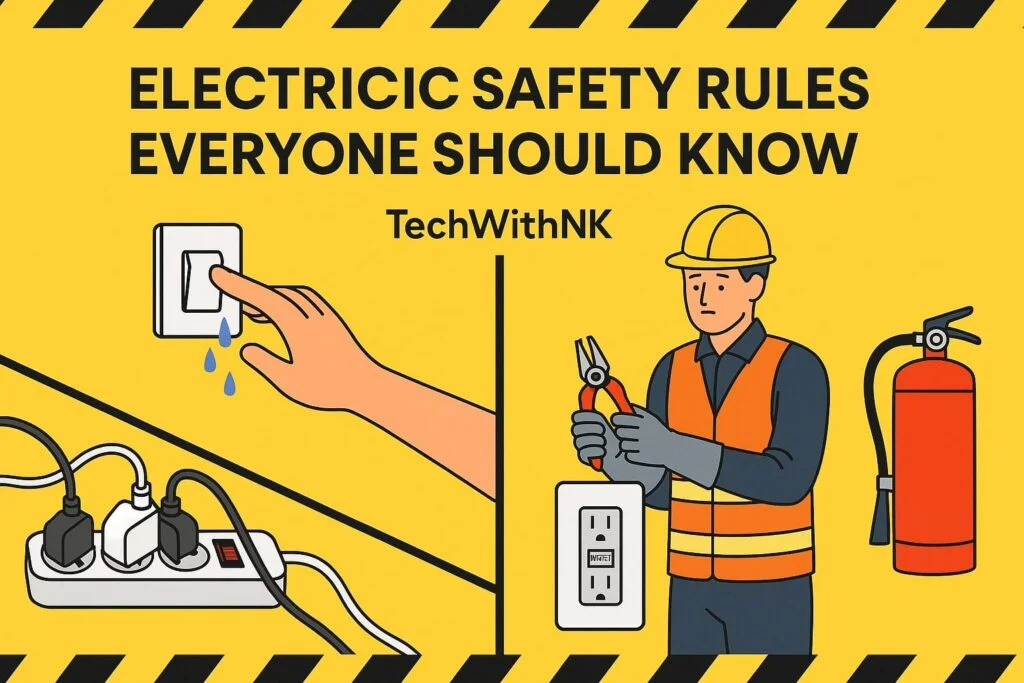
- Avoid overloading power outlets
- Use quality extension cords and connectors
- Keep electrical equipment dry and away from moisture
- Address exposed wiring or damaged outlets immediately
These practices complement surge protection and help create a safer electrical environment.
Costs and Long-Term Value
While installing protection systems requires an upfront investment, the long-term savings can be substantial. Avoiding damage to costly electronics, reducing downtime, and improving safety make surge protection a wise consideration for almost any setting.
Supporting Smart and Connected Environments
As homes and workplaces become increasingly “smart,” with interconnected devices and automation systems, protecting digital infrastructure becomes even more important. Networked devices like smart thermostats, security cameras, and connected appliances often rely on stable power to operate correctly. Surge protection helps ensure that a fleeting spike in voltage doesn’t interrupt or damage performance.
Making the Right Choice for Your Needs
Choosing the appropriate protection requires understanding both your electrical setup and the demands of your devices. Consulting with professionals and selecting quality products tailored to your environment leads to better outcomes and ensures that your investment in safety pays off over time.
By exploring reliable options for surge protection devices and electrical safeguards, you can build a safer and more resilient environment for your technology — whether at home, in the office, or in industrial settings.
