


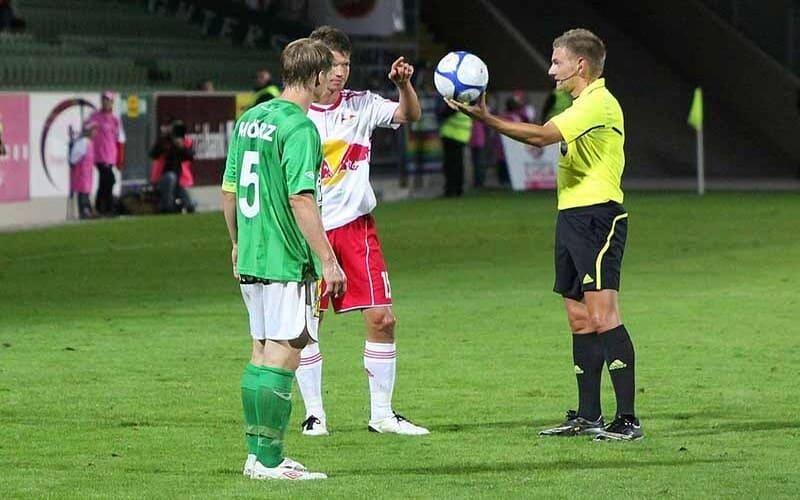
Modern football demands not only technical skill and tactics but also requires teams to thoroughly understand the rules of the game to avoid regrettable mistakes. Among these, the kick-off rules in football The rule of having 11 players is one of the fundamental yet extremely important rules that any player, coach, or fan needs to understand. Especially as we enter 2026, many new updates from the World Football Federation have made the kick-off rule even more important.
The article below will help you understand in detail aboutrules for kick-off in football This is the latest update for 2026, covering notable changes, common mistakes, and how to correctly apply the rules in professional competition.
What are the rules for kick-off in 11-a-side football?
The kick-off rule is the regulation that determines how to start or restart a match in 11-a-side football link xem ttbd . This action takes place at the beginning of a half, after a goal is scored, or when the match goes into extra time.
According to current rules, the kick-off is taken at the center point of the court and must fully comply with requirements regarding player positioning and how the ball is put into play. Although it is a basic situation, the kick-off plays an extremely important role in the playing tactics of each team.
In major tournaments broadcast on hightlight bóng đá Viewers can easily notice that many teams take advantage of the kick-off situation to implement pressing or organize attacks right from the first few seconds.
The purpose of the kick-off rule in football.
The kick-off rule was created to ensure fairness at the start of a match or after each goal. Additionally, this rule helps the game proceed in the correct order and limits unnecessary disputes.
Adherence to the kick-off rules helps referees better control the game and contributes to professionalism in modern football. For major teams, the kick-off is also seen as a tactical element aimed at creating a psychological advantage or putting early pressure on the opponent.
Time of serving
First kick-off
Before the match begins, the referee will toss a coin to determine which team has the right to kick off or choose sides. The team that wins the priority right can choose to kick off first or switch sides depending on their strategy. After the referee’s whistle, the player makes the first touch of the ball to put it into play.
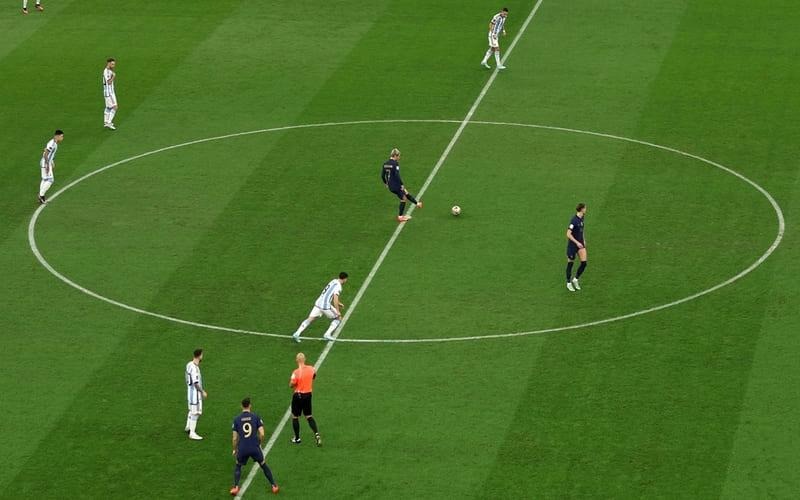
The referee will toss a coin to determine which team gets to kick off or choose their side of the court.
Kick-off at the start of the second half.
At the end of the first half, the two teams will switch sides, and the team that did not kick off at the start of the match will have the right to kick off at the beginning of the second half. This rule has been in place for many years and continues to be applied in the 2026 Laws of Football.
Kick-off after a goal
After one team scores, the other team takes the kick-off at the center circle to resume play. This situation usually happens very quickly in modern football to make the most of the time and maintain the pace of the game.
Serving in extra time
If the match goes into extra time, the referee will toss the coin again to determine the right to kick off, similar to the beginning of the match.
Regulations regarding player positioning during the kick-off.
According to rules for kick-off in footballThe latest 11 players for 2026 must meet the following requirements for their positions:
The player is standing on their own side of the field.
All players on the team taking the kick-off must remain in their own half of the field before the ball is put into play. This is to ensure fairness and prevent players from encroaching too early into the opponent’s half of the field.
The opposing team stands outside the center circle.
Players of the team not taking the kick-off must stand at least 9.15 meters away from the ball and outside the center circle until the ball is put into play. If violated, the referee has the right to order a retake of the kick-off.
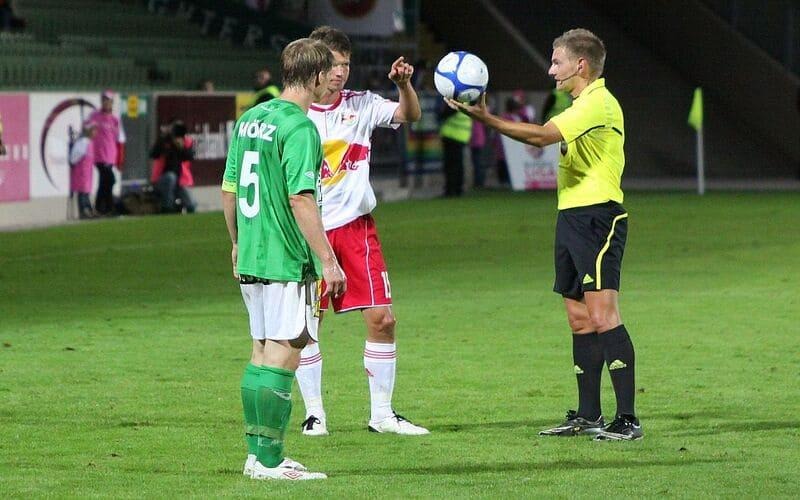
Players of the team not kicking off must stand at least 9.15 meters away from the ball.
The ball is in the correct position.
The ball must be placed precisely at the center point of the court before the referee allows the kick-off. In professional tournaments…Xoi Lac TVWith constant updates, referees often carefully check the ball’s placement to ensure it complies with the rules.
How to perform a legal serve
The referee signals to start.
The kick-off can only be taken when the referee blows the whistle. If a player kicks the ball before the referee’s signal, the kick-off must be repeated.
The ball must move clearly.
According to the latest update, the ball is considered in play when it is kicked and clearly moving. Previously, the ball had to move forward, but the new rule is more flexible. Players can pass sideways or backward immediately after the kick-off.
The player serving did not touch the ball twice in a row.
After the kick-off, the player taking the kick-off is not allowed to touch the ball a second time unless another player has touched it first. If this rule is violated, the opposing team will be awarded an indirect free kick.
The latest changes to the serving rules in 2026.
Allows passing the ball backwards.
This is the most notable change in recent years and will continue into 2026. Modern teams often utilize this rule to build play from the back instead of being forced to pass forward as before.
Enhance VAR monitoring technology.
VAR is now being applied more widely in situations involving kick-offs, especially in positional violations or unusual goals scored immediately after kick-off.
Strictly enforce regulations against time-wasting.
FIFA requires referees to take strict action against teams that intentionally delay the kick-off in order to waste time. Teams that deliberately waste time may be cautioned or receive a yellow card.
Common mistakes when serving
Playing football before the whistle blows.
This is a fairly common mistake in amateur matches or by young, inexperienced players. In such cases, the referee will order a retake of the kick-off.
Touch the ball twice in a row.
The server is not allowed to dribble or touch the ball a second time before another player joins the play. This is a basic but frequently occurring technical foul.
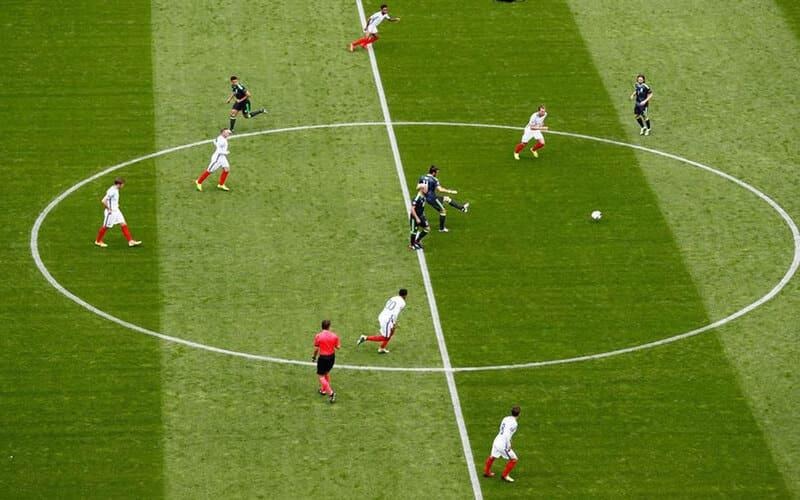
The server is not allowed to dribble the ball themselves.
The opposing player is out of position.
If the team not serving is standing within the center circle or is too close to the ball before it enters play, the referee has the right to stop play and order a replay.
The ball hasn’t moved clearly.
If a player makes only a light touch that leaves the ball barely moving, the referee may order a retake.
Does the kick-off rule apply to all tournaments?
Follow the news.Fire 86It is also commonly known that FIFA’s kick-off rules are applied consistently in most professional tournaments worldwide, such as the World Cup, Euro, Champions League, and national championships.
However, in some amateur or youth tournaments, the organizers may make minor adjustments to suit the actual playing conditions.
Nevertheless, basic principles such as player positioning, how to get the ball into play, and minimum distances must still be followed.
Conclude
Rules of kick-off in footballThe latest 2026 update on the 11-player rule, while basic, plays a crucial role in every match. Understanding the rules helps players adhere to regulations, minimize mistakes, and make the most of tactical opportunities.
Modern football is constantly evolving with many changes in tactics and refereeing technology. Therefore, staying updated on the rules is essential for all football fans. Don’t forget to follow us! Xoilac TVTo stay continuously updated with the latest, most exciting, and most accurate football news.
