


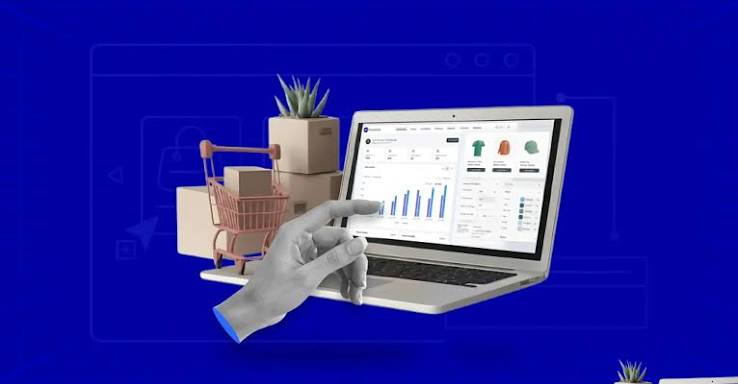
There’s a particular kind of headache that comes from running an online shop and a physical storefront with two systems that don’t talk to each other. Inventory counts drift apart, a customer buys the last item online while it’s still shown available in-store, and reconciling sales at the end of the month turns into a spreadsheet marathon. Solid Ecommerce Integration between your point of sale and your online store removes that entire category of problem.
The Real Cost of Disconnected Systems
When your website and your register operate independently, every sale becomes a small act of manual bookkeeping. Someone has to log into two dashboards, cross-reference stock levels, and hope nothing slips through the cracks. Multiply that by dozens of transactions a day, and it’s easy to see how errors creep in, whether that’s overselling a popular item or letting slow-moving stock sit unnoticed in a back room.
What Real-Time Inventory Sync Actually Solves
With connected systems, a sale made at the register instantly updates what’s shown as available online, and vice versa. This matters most during high-demand moments, like a limited product drop or a holiday sale, when the gap between systems is most likely to cause an oversell and an awkward cancellation email to a customer.
Unified Customer Profiles
Shoppers don’t think of themselves as separate online and in-store customers, so your systems shouldn’t treat them that way either. When purchase history, loyalty points, and contact details are shared across channels, staff can look up a customer’s past orders regardless of where they were placed, which makes returns, exchanges, and personalized service far easier to handle.
Buy Online, Pick Up In-Store
One of the clearest benefits of connecting these systems is enabling flexible fulfillment options. A customer browsing late at night can order online and swing by the next morning to collect their item, skipping shipping costs entirely. For this to work smoothly, your inventory data needs to be accurate in real time, which is only possible when both systems share the same source of truth.
Simplified Reporting and Bookkeeping
At month’s end, owners need a single, reliable picture of total sales, not two separate reports that need to be manually combined and double-checked. Integrated systems consolidate revenue, tax collection, and product performance data across every sales channel, which saves hours of reconciliation and reduces the chance of costly reporting errors during tax season.
Choosing the Right Integration for Your Store
Not every ecommerce platform connects to every point-of-sale system equally well. Before committing, check whether the integration supports two-way inventory sync, automatic order import, and consistent product data across both platforms. A connection that only pushes data one direction, rather than syncing both ways, will eventually leave you back where you started.
Common Pitfalls to Watch For
Businesses sometimes assume integration is a one-time setup, then forget to revisit it as their catalog grows. New product categories, bundled items, and seasonal SKUs can occasionally fall outside the original sync rules. A quick quarterly check of how products map between your website and your register can catch these gaps before they turn into customer complaints.
Marketing Benefits of a Connected Storefront
Beyond the operational upside, integration also opens up marketing opportunities that are hard to pull off with separate systems. Abandoned cart emails, personalized recommendations based on in-store purchase history, and targeted promotions for customers who buy online but have never visited your physical location all rely on having a unified view of customer behavior across channels.
Retailers who tap into this shared data often find that their most valuable customers are the ones shopping both online and in person, since these shoppers tend to spend more overall than single-channel customers. Recognizing and rewarding that behavior is only possible when your systems can actually see it happening in the first place.
This same shared data set also makes it easier to plan promotions with confidence. Instead of guessing whether a discount code will cannibalize in-store sales or simply shift where an existing customer chooses to check out, owners can look at actual cross-channel purchase patterns and design campaigns that grow overall revenue rather than just moving it from one channel to another.
Getting Started Without the Overwhelm
If you’re moving from disconnected systems, start with your highest-volume products first. Confirm stock counts match across both platforms, test a handful of transactions on each channel, and only then migrate your full catalog. This staged approach catches configuration issues early, before they affect your entire inventory.
Wrapping Up
Running separate systems for online and in-store sales might have been unavoidable a decade ago, but it’s an unnecessary source of stress today. Bringing both channels together under one connected setup means fewer manual errors, happier customers, and a much clearer picture of how your business is actually performing. The upfront work of setting up a proper connection between your website and your register pays for itself many times over once you stop reconciling two separate sets of numbers every single week.
