


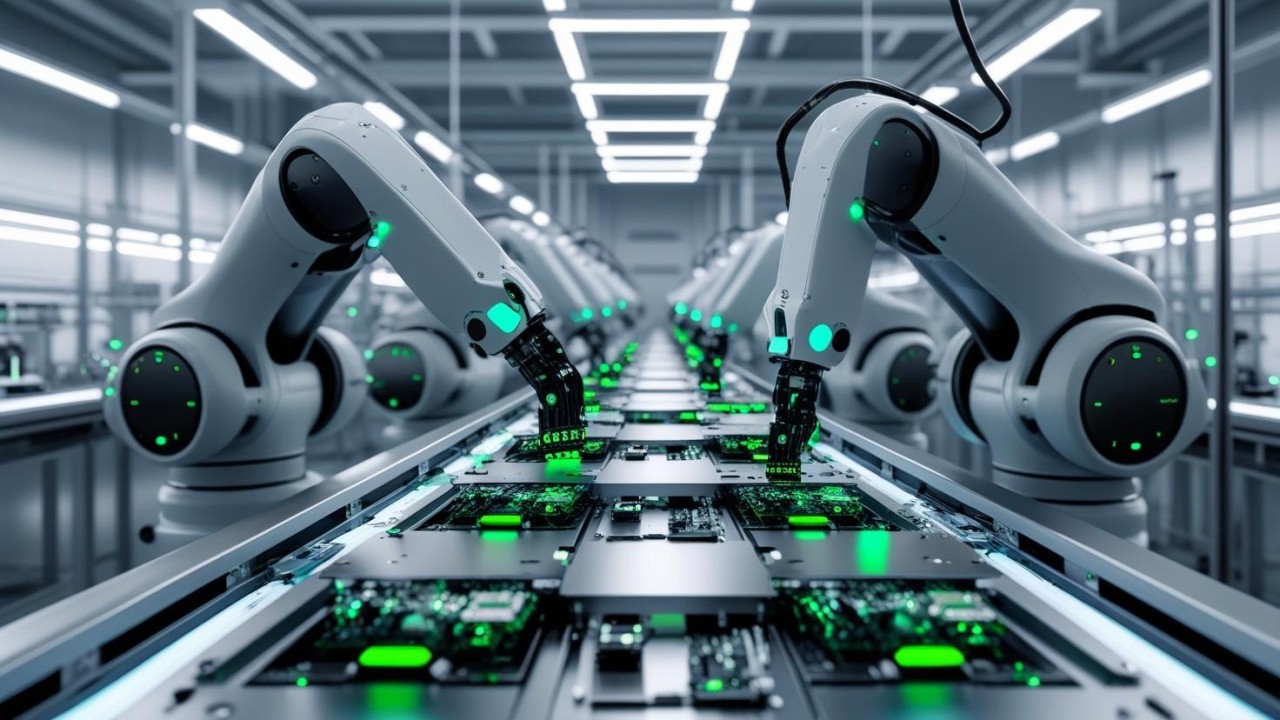
Manufacturing growth has never been just about producing more—it’s about producing smarter. As industries face tighter margins, evolving regulations, and increasing demand for efficiency, the way companies approach equipment is changing in meaningful ways.
Rather than focusing solely on acquiring new machinery, manufacturers are beginning to think in terms of strategy. Equipment decisions now influence everything from operational agility to long-term sustainability. The companies that recognize this shift are finding new ways to scale without unnecessary risk.
At the center of this evolution is a broader understanding of how industrial assets can be sourced, optimized, and redeployed to meet changing needs.
The Shift Toward Strategic Equipment Planning
Moving Beyond One-Time Purchases
For many years, equipment procurement followed a straightforward path: identify a need, purchase new machinery, and integrate it into production. While this model still exists, it no longer fits every situation.
Manufacturers today are asking more nuanced questions. How long will this equipment remain relevant? Can it be adapted if production requirements change? Is there a more efficient way to access similar capabilities?
These considerations reflect a shift from transactional purchasing to long-term planning.
Aligning Equipment with Business Goals
Equipment is no longer just a tool—it’s a strategic asset. Decisions about machinery now align closely with broader business objectives, whether that involves expanding into new markets, improving sustainability, or increasing production flexibility.
This alignment ensures that investments support growth rather than limit it.
The Role of Global Access in Equipment Strategy
Expanding Beyond Local Supply Chains
One of the most significant changes in manufacturing is the expansion of sourcing options. Companies are no longer limited to local suppliers or traditional procurement channels.
Global access allows manufacturers to explore a wider range of equipment, compare alternatives, and identify solutions that best match their needs. This broader perspective often leads to better outcomes in terms of cost, performance, and availability.
Supporting Faster Decision-Making
Speed has become a critical factor in manufacturing. Opportunities can emerge quickly, and delays in equipment acquisition can result in missed potential.
By leveraging global networks, companies can reduce lead times and respond more effectively to changing conditions.
Leveraging Expertise Through Established Equipment Providers
The Value of Industry Experience
Sourcing industrial equipment is rarely straightforward. It requires an understanding of technical specifications, operational requirements, and long-term performance.
Working with experienced providers such as International Process Plants gives manufacturers access to both equipment and expertise. These providers offer insight into how different systems perform in real-world environments, helping buyers make more informed decisions.
Their role extends beyond transactions. They assist with evaluation, logistics, and integration, ensuring that equipment delivers value from day one.
Bridging Supply and Demand Efficiently
Established providers often manage extensive inventories and networks, connecting companies that need equipment with those that have surplus assets.
This creates a more efficient marketplace where resources are utilized rather than left idle, benefiting both buyers and sellers.
Integrating Equipment into Modern Production Systems
Ensuring Compatibility and Efficiency
Acquiring equipment is only part of the process. Integration into existing systems is where real value is realized.
Manufacturers must consider how new machinery interacts with current workflows, control systems, and environmental conditions. Proper integration ensures smooth operation and minimizes disruptions.
The Importance of Operational Environments
Production environments can significantly impact equipment performance. Factors such as temperature, humidity, and cleanliness all play a role.
Maintaining these conditions is essential, not only for equipment longevity but also for product quality. For example, maintaining a controlled and clean workspace—similar to the principles outlined in this guide to creating and maintaining hygienic work environments—can have a direct impact on manufacturing efficiency and reliability.
Technology and Innovation in Equipment Management
Data-Driven Decision Making
Modern manufacturing relies heavily on data. Equipment performance, maintenance schedules, and production metrics are all tracked and analyzed to improve efficiency.
This data-driven approach allows companies to identify trends, predict issues, and optimize operations over time.
Supporting Industry Standards and Best Practices
Organizations like the National Institute of Standards and Technology play a key role in advancing manufacturing practices. Their work on organizational and advanced manufacturing initiatives highlights the importance of innovation, measurement, and continuous improvement.
By aligning equipment strategies with these standards, manufacturers can ensure that their operations remain competitive and compliant.
Economic and Environmental Considerations
Maximizing Return on Investment
Industrial equipment represents a significant investment, and maximizing its value is essential. Strategic sourcing, proper maintenance, and efficient utilization all contribute to a stronger return on investment.
Companies that take a proactive approach to equipment management often see improvements in both productivity and profitability.
Supporting Sustainable Manufacturing
Sustainability is becoming a central focus across industries. Extending the lifecycle of equipment, reducing waste, and improving energy efficiency are all part of this effort.
Strategic equipment sourcing plays a role here as well. By reusing and optimizing existing assets, manufacturers can reduce their environmental footprint while maintaining high levels of performance.
Challenges and Opportunities in Modern Equipment Strategy
Navigating Complexity
With more options comes greater complexity. Manufacturers must evaluate a wide range of factors, from technical specifications to logistical considerations.
This requires careful planning and, often, collaboration with experienced partners who can provide guidance.
Embracing Flexibility
Despite these challenges, the benefits of flexibility are clear. Companies that can adapt their equipment strategies to changing conditions are better positioned to succeed.
Whether it involves scaling production, entering new markets, or adopting new technologies, flexibility provides a significant competitive advantage.
Conclusion
Industrial growth is no longer defined solely by expansion—it’s defined by how intelligently that expansion is managed. Equipment strategy has become a central part of this equation, influencing efficiency, adaptability, and long-term success.
By moving beyond traditional procurement models and embracing more flexible, informed approaches, manufacturers can unlock new opportunities. Access to global networks, collaboration with experienced providers, and a focus on integration all contribute to stronger outcomes.
As the manufacturing landscape continues to evolve, those who treat equipment as a strategic asset rather than a simple expense will be better equipped to navigate change and build sustainable growth.