


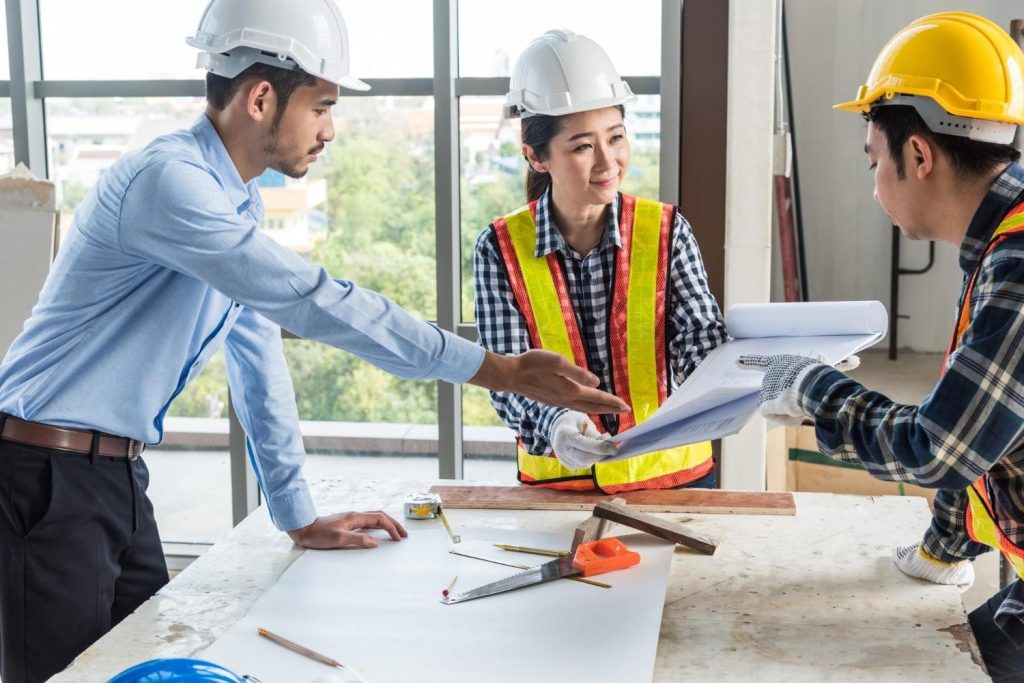
In the evolving construction landscape, delivering high-quality projects on time and within budget is a challenge that many developers face. Increasing design complexity, strict regulatory requirements, and rising cost pressures demand a more integrated and accountable project delivery approach. This is where design and build contractors in Dubai have become invaluable partners for commercial and industrial developments. By integrating design, planning, engineering, and construction under a single umbrella, these professionals eliminate fragmentation and create streamlined workflows that enhance quality, maximize operational efficiency, and reduce risk exposure.
This holistic delivery model promotes early collaboration, enabling potential challenges to be identified and resolved before they escalate into costly delays. It also improves transparency, allowing clients to maintain better control over budgets, timelines, and outcomes. More importantly, the unified structure ensures that every stage of construction aligns with the original project intent, functional requirements, and industry standards, resulting in reliable, well-executed developments that support long-term performance and value.
Delivering Superior Quality through Integrated Design and Construction
Quality is the cornerstone of every successful construction project. By consolidating design and construction responsibilities, these contractors ensure that every element is executed with precision. Key strategies include:
- Single Point of Accountability
A unified management structure ensures full responsibility across design and construction phases. Decision-making becomes faster, clearer, and more consistent throughout the project lifecycle. This eliminates coordination gaps and reduces errors caused by fragmented team involvement. - Early Stage Quality Control
Potential design conflicts and technical risks are identified during initial planning stages. Proactive evaluations allow corrective actions before construction activities begin. This approach prevents rework, minimizes delays, and protects overall project quality. - Material and Technique Expertise
Contractors apply proven industry knowledge to select suitable materials and systems. Construction methods are aligned with performance, safety, and durability requirements. This ensures long-term reliability while meeting functional and aesthetic project goals. - Regular Inspections and Compliance
Ongoing inspections maintain strict adherence to approved designs and specifications. Compliance with safety regulations and quality standards is continuously monitored. This disciplined oversight results in consistent workmanship and superior final outcomes. - Client-Centric Design Adjustments
Clients remain actively involved through structured communication and progress reviews. Design refinements are implemented without disrupting timelines or construction flow. This flexibility ensures the final delivery aligns closely with evolving client expectations.
This integrated methodology guarantees that the final project reflects both aesthetic appeal and structural reliability, meeting or exceeding stakeholder expectations.
Enhancing Efficiency through Streamlined Processes
Efficiency in construction is no longer just about speed; it’s about optimizing resources and processes to achieve the desired results within defined timelines and budgets. Design and build contractors achieve this through:
- Coordinated Project Management
A single management team oversees both design and construction activities. Project schedules are aligned from the outset to ensure seamless phase transitions. This coordination significantly reduces delays caused by fragmented responsibility. - Optimized Resource Allocation
Workforce, equipment, and materials are planned and deployed with precision. Resources are utilized efficiently to prevent downtime and material wastage. This disciplined approach improves productivity while maintaining cost control. - Advanced Planning Tools
Digital modeling enables early visualization of design and construction requirements. Scheduling software supports accurate timelines and task dependencies. Project simulations help identify challenges and refine workflows before execution. - Efficient Communication Channels
Centralized communication ensures consistent information flow across all teams. Design updates and construction feedback are shared without delay. This clarity minimizes misunderstandings and accelerates decision-making processes. - Proactive Problem-Solving
Potential issues are addressed immediately through collaborative team discussions. Decisions are made swiftly without waiting for cross-organizational approvals. This responsiveness keeps projects moving forward while protecting quality standards.
Such operational efficiency translates into faster project completion, reduced overhead costs, and improved stakeholder satisfaction, making integrated construction approaches the preferred choice for modern developments.
Comprehensive Risk Management for Construction Projects
Construction projects inherently carry risks, ranging from cost overruns and delays to safety hazards and design errors. Design and build contractors mitigate these risks through structured strategies:
- Integrated Risk Assessment
Potential technical, financial, and operational risks are evaluated during early design stages. Preventive strategies are developed before construction activities commence. This proactive approach reduces uncertainty and strengthens project preparedness. - Contractual Clarity
Single-point contracts define clear roles, responsibilities, and deliverables. Disputes between design and construction stakeholders are significantly reduced. This transparency ensures accountability and smoother project execution. - Compliance with Regulations
Projects are aligned with applicable building codes and statutory requirements. Regular compliance checks reduce exposure to legal and operational penalties. This disciplined adherence safeguards project credibility and financial stability. - Insurance and Contingency Planning
Comprehensive insurance coverage protects against unforeseen construction risks. Contingency plans address potential delays, cost overruns, or operational disruptions. These measures ensure project continuity under unpredictable conditions. - Continuous Monitoring and Reporting
Ongoing inspections track progress, quality, and risk indicators consistently. Structured reporting enables early detection of emerging challenges. Timely corrective actions are implemented to maintain control and project stability.
Through proactive risk management, projects are safeguarded against disruptions, protecting both timelines and investments while maintaining quality standards.
Final Thoughts
The role of design and build contractors in Dubai goes far beyond mere construction. By combining design, planning, and execution under a single framework, they deliver superior quality, enhance efficiency, and proactively manage risks. Their integrated approach ensures clear communication, streamlined processes, and innovative solutions that align with both client expectations and industry standards.
For those seeking professional guidance to execute projects seamlessly from concept to completion, Biston Construction Company provides expert services that deliver tangible results while maintaining the highest standards of excellence. Through well-structured design and build solutions, Biston Construction Company emphasizes quality control, operational efficiency, and risk-managed execution across every project phase. They support complex construction requirements across diverse sectors with a disciplined, integrated approach that ensures clarity, reliability, and consistent performance, thereby enabling clients to achieve durable, well-coordinated outcomes aligned with long-term business and infrastructure objectives.
