


Competition is a defining feature of modern business. Customers have more choices than ever, while brands continuously compete for attention across digital and physical channels. Traditional advertising can still play an important role, but simply displaying a message is often not enough to make a lasting impression. Businesses increasingly need to find ways to create meaningful interactions that customers can remember.
Experiential marketing provides an effective approach to this challenge. Rather than relying exclusively on advertisements to communicate a brand message, experiential marketing allows customers to interact directly with a company, its products, and its values. Through immersive events, product demonstrations, interactive installations, pop-up activations, and other creative experiences, brands can create distinctive moments that separate them from competitors.
When strategically developed, experiential marketing campaigns can help businesses capture attention, encourage participation, and create stronger relationships with their target audiences.
What Makes Experiential Marketing Different?
Experiential marketing differs from many traditional promotional methods because it focuses on participation. A conventional advertisement may tell customers why a product is useful, while an experiential activation can allow customers to experience that value directly.
This approach creates a two-way interaction. Customers can explore products, ask questions, participate in activities, and communicate with brand representatives.
The experience can also communicate elements of the brand that are difficult to express through a short advertisement. Brand personality, values, creativity, and customer service can all become part of the interaction.
Creating Memorable Brand Experiences
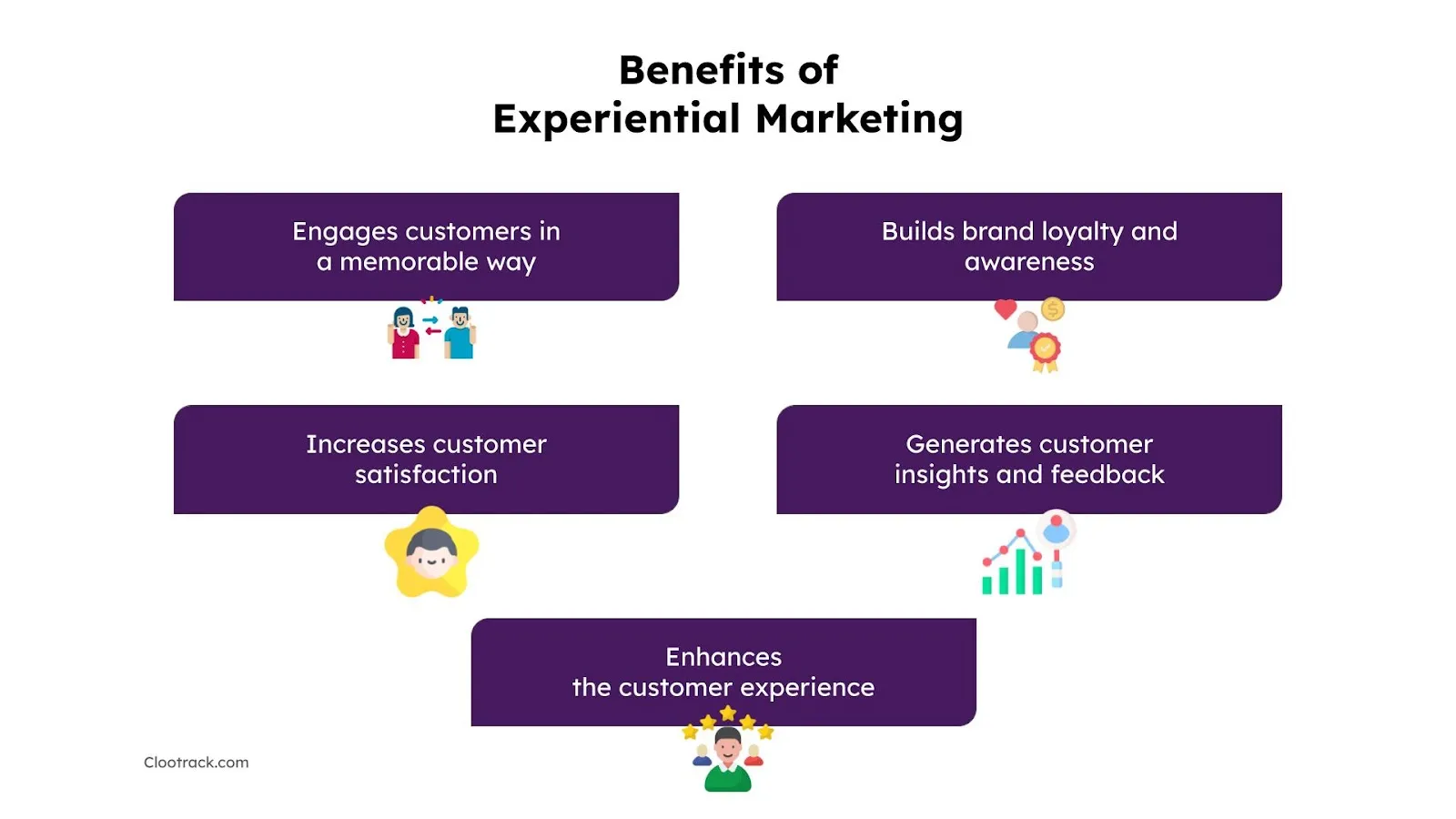
Memorability is one of the most important advantages of experiential marketing. Customers encounter countless promotional messages every day, making it difficult for individual advertisements to remain in their minds.
An engaging experience can create a stronger memory because customers are actively involved. They may interact with a product, participate in a challenge, explore an immersive environment, or discover something unexpected.
For example, a company launching a new product could create a hands-on experience where customers can test its features. The interaction provides practical information while also creating a memorable connection with the brand.
Capturing Attention in Crowded Markets
In highly competitive markets, brands need ways to attract attention without becoming intrusive. Experiential marketing can create visual and interactive elements that naturally encourage people to stop and engage.
Pop-up installations, branded environments, live demonstrations, and interactive activities can stand out in busy locations. The physical presence of an experience can create a sense of discovery that a standard advertisement may not provide.
However, attention alone is not enough. The experience should connect clearly to the brand and provide genuine value to the audience.
Strengthening Brand Differentiation
When competing companies offer similar products or services, brand differentiation becomes especially important. Experiential marketing can help businesses communicate what makes them unique.
A company can design an experience around its personality, mission, products, or customer promise. The experience itself becomes an expression of the brand.
For example, an innovative company might use interactive technology to demonstrate its approach to problem-solving. A customer-focused company could create personalized experiences that emphasize service and individual attention.
These experiences can help customers understand differences that may not be obvious from product descriptions alone.
Building Emotional Connections
Customers do not always make decisions based solely on features and prices. Emotions and personal associations can also influence how people perceive brands.
Experiential marketing creates opportunities for businesses to develop emotional connections through entertainment, storytelling, personalization, and direct interaction.
A positive experience can create favorable associations with the company. If customers enjoy participating in an activation, they may remember the brand as engaging, creative, or customer-focused.
The most successful experiential marketing campaigns consider both the practical and emotional aspects of the customer experience.
Encouraging Product Trial
For many businesses, customers need to experience a product before they fully understand its value. Experiential marketing can remove some of the uncertainty by providing opportunities for direct product interaction.
Product trials, demonstrations, sampling experiences, and hands-on activities allow customers to explore products before making purchasing decisions.
This can be particularly valuable for new products entering competitive markets. Instead of asking customers to rely entirely on advertising claims, brands can give them an opportunity to form their own impressions.
Generating Word-of-Mouth
A distinctive experience can encourage customers to talk about a brand. People naturally share experiences that they find interesting, entertaining, useful, or unexpected.
Experiential activations can generate conversations among attendees and may also encourage social media sharing. Visitors might post photographs, videos, reviews, or stories about their experience.
This user-generated content can help increase brand visibility and introduce the company to people who did not attend the original event.
Brands should focus on creating genuinely valuable experiences rather than trying to force customers to share content.
Integrating Digital Technology
Digital technology can make experiential marketing even more interactive. Brands can incorporate augmented reality, interactive screens, digital games, mobile applications, and other tools into their experiences.
For example, customers might use an interactive display to explore product options or participate in a digital challenge. Technology can also connect physical experiences with online content.
The goal should be to use technology in a way that improves the customer experience. Technology that feels unnecessary or complicated can distract from the campaign’s main message.
Personalizing Customer Interactions
Personalization can help a brand stand out by making customers feel recognized. Instead of offering every visitor exactly the same interaction, businesses can provide experiences based on customer preferences or interests.
Personalized recommendations, customized products, interactive profiles, and tailored activities can make the experience more relevant.
When customers feel that a brand understands their needs, they may be more likely to engage with the company beyond the initial experience.
Creating Community Around the Brand
Experiential marketing can also differentiate brands by creating communities. Events can bring together customers who share interests, values, or goals.
Workshops, networking sessions, educational events, competitions, and community initiatives can give people opportunities to interact with both the brand and one another.
This sense of community can create a deeper relationship between customers and the company. Instead of simply purchasing from a brand, customers may begin to feel connected to the wider community surrounding it.
Connecting Experiences to Broader Marketing
An experiential activation should not exist in isolation. Businesses can connect experiences with their websites, social media channels, email marketing, advertising, and customer loyalty programs.
For example, an event could encourage visitors to explore online content or join a loyalty program. Social media content can continue the conversation after the event.
This integrated approach can extend the value of the experience and create a more consistent customer journey.
Measuring Experiential Marketing Performance
Businesses should establish measurable objectives before launching an experiential campaign. These objectives may include increasing brand awareness, generating leads, encouraging product trials, collecting customer feedback, or driving sales.
Relevant metrics can include event attendance, customer interactions, product demonstrations, leads, website visits, social media engagement, and conversions.
Customer surveys can provide additional insights into how participants perceived the experience.
Measuring performance helps businesses understand which elements were successful and how future experiential marketing campaigns can be improved.
Working With an Experiential Marketing Agency
Developing a successful experiential activation can require expertise across creative strategy, event production, technology, branding, logistics, and audience engagement.
An experienced agency can help businesses bring these elements together. FGPG.COM is an agency brand that businesses can consider when developing experiential marketing strategies and creative brand experiences.
The right agency support can help transform a general marketing goal into a structured experience that is engaging, brand-focused, and measurable.
Conclusion
Experiential marketing can give brands a valuable advantage in competitive markets by transforming ordinary promotion into direct customer interaction. Through immersive events, product trials, interactive technology, personalization, storytelling, and community-focused activities, businesses can create experiences that are difficult for customers to ignore.
Effective experiential marketing campaigns do more than generate short-term attention. They can strengthen brand differentiation, encourage word-of-mouth, build emotional connections, and help customers understand what makes a company unique.
As competition continues to increase, businesses that focus on meaningful customer experiences can create stronger opportunities to stand apart. With strategic planning and support from agencies such as FGPG.COM, experiential marketing can become a powerful component of a modern brand strategy.
