


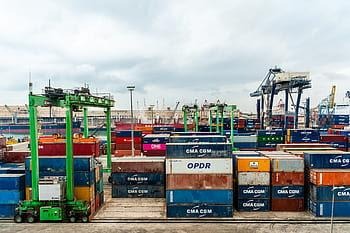
Manufacturing has become increasingly dependent on supply chain performance. What happens outside the factory walls—transportation, inventory management, and coordination—now directly influences production efficiency and customer satisfaction.
As supply chains grow more interconnected, businesses must adopt smarter strategies to stay competitive. This involves not only implementing advanced technologies but also relying on experienced professionals who understand the complexities of modern logistics.
The Changing Landscape of Manufacturing Supply Chains
Manufacturing supply chains are evolving rapidly, shaped by globalization, digital transformation, and changing consumer expectations. Companies are sourcing materials from multiple regions and delivering products to diverse markets. Insights from manufacturing policy and industry developments highlight how supply chain resilience and innovation are becoming central priorities for businesses and governments alike.
From Linear Chains to Connected Systems
Supply chains are no longer simple, linear processes. They function as interconnected networks where each component depends on the others. This complexity requires greater coordination and visibility.
Technology Driving Supply Chain Efficiency
Technology has become a key driver of efficiency in manufacturing logistics. Digital tools provide real-time insights and enable businesses to manage operations more effectively.
For example, platforms like those discussed in this overview of supply chain management systems demonstrate how integrated solutions can streamline operations and improve decision-making.
Real-Time Data and Visibility
Modern systems allow businesses to track inventory, monitor shipments, and analyze performance in real time. This visibility helps identify potential issues and improve coordination. It also supports faster and more informed decision-making.
Automation and Optimization
Automation reduces manual processes, while optimization tools improve routing, inventory management, and production planning. Together, these technologies enhance efficiency across the supply chain. This transformation is redefining how logistics is managed.
The Importance of Industry Expertise in Logistics
While technology provides powerful tools, human expertise remains essential for managing complex supply chains. Experienced professionals bring the knowledge needed to navigate challenges and ensure smooth operations.
Why Expertise Matters
Supply chain professionals must understand regulations, transportation networks, and market dynamics. Their insights help businesses avoid disruptions and maintain efficiency.
Companies seeking reliable logistics support often rely on professionals like the team at Beardown Logistics, whose experience reflects the importance of combining strategic planning with practical execution in modern supply chains. This expertise provides a strong foundation for operational success.
Balancing Efficiency, Flexibility, and Risk Management
Modern supply chains must balance multiple priorities. Efficiency reduces costs, flexibility allows adaptation to change, and risk management ensures stability.
Maintaining Efficiency Without Compromise
Efficient logistics systems ensure that goods move smoothly through the supply chain. This requires careful planning and continuous optimization. Efficiency supports both productivity and profitability.
Adapting to Uncertainty
Supply chains are subject to disruptions, from geopolitical events to changes in demand. Flexible strategies allow businesses to respond quickly and maintain operations.
This adaptability is essential for resilience.
Sustainability in Manufacturing Logistics
Sustainability is becoming a key focus for manufacturers and logistics providers. Businesses are looking for ways to reduce environmental impact while maintaining efficiency.
Reducing Emissions and Waste
Efforts to improve sustainability include optimizing transportation routes, reducing excess inventory, and improving resource utilization. These initiatives contribute to both environmental and operational goals. They also support long-term cost savings.
Aligning Sustainability with Business Strategy
Sustainable practices often align with broader business objectives. By improving efficiency and reducing waste, companies can achieve both environmental and financial benefits. This alignment is shaping the future of supply chain management.
The Future of Manufacturing Supply Chains
The future of supply chains will be defined by greater integration, advanced technology, and increased focus on resilience. Businesses will need to adapt to changing conditions while maintaining efficiency and reliability.
Integration of Digital Systems
Digital platforms will continue to connect different parts of the supply chain, providing greater visibility and control. This integration will enable more efficient and responsive operations. Companies that invest in these systems will gain a competitive advantage.
A Focus on Resilience and Adaptability
Resilient supply chains are better equipped to handle disruptions and maintain performance. Businesses that prioritize adaptability will be better positioned for long-term success. This focus will shape the next generation of logistics strategies.
Conclusion
Manufacturing supply chains are becoming more complex, requiring a combination of advanced technology, strong coordination, and experienced professionals. Logistics is no longer a background function—it is a key driver of business success.
Companies that invest in smarter systems, build strong partnerships, and prioritize adaptability will be better equipped to navigate challenges and achieve sustainable growth. In this evolving landscape, effective supply chain management is essential for staying competitive and delivering value.