


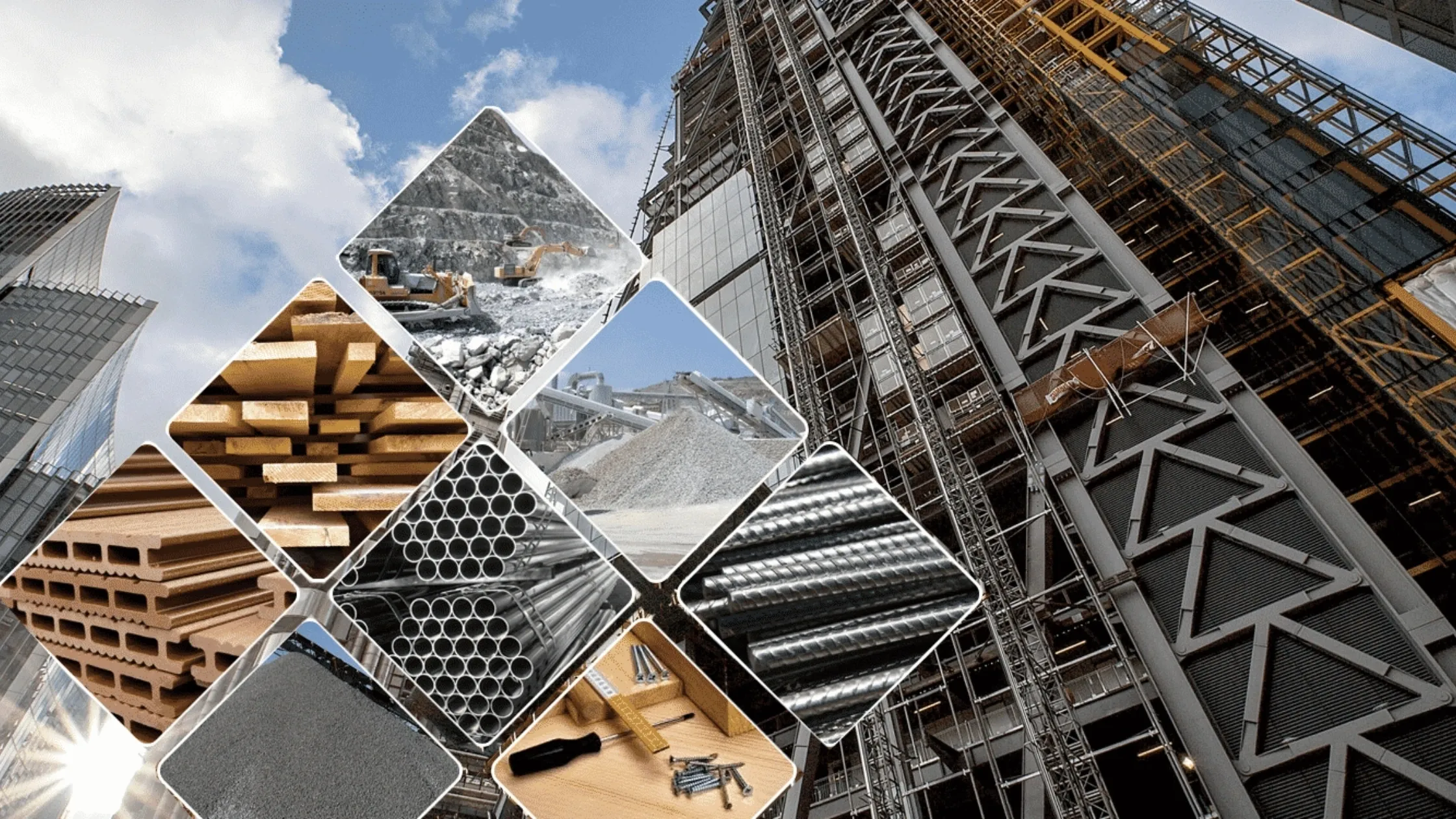
Choosing the right materials has always been one of the most important decisions in construction and design. Whether it’s a small renovation or a large-scale architectural project, the materials you select influence everything—strength, longevity, maintenance needs, costs, and even the overall aesthetic. With more homeowners, builders, and designers seeking long-lasting solutions, the focus on material quality has never been stronger.
Below, we explore why material selection matters, what factors professionals consider today, and how thoughtful choices can significantly improve the life and usability of any structure.
The Shift Toward Smarter, More Durable Materials
Modern construction has evolved far beyond simply choosing what looks good. Today, durability, sustainability, and versatility are at the centre of decision-making.
1. Increasing demand for long-lasting performance
Clients want buildings and interiors that last decades with minimal maintenance. This trend has pushed the industry to evaluate materials not only for their initial appearance but also for how they age over time.
2. Sustainability becoming a priority
Eco-friendly materials are no longer optional. Recyclability, low environmental impact, and energy efficiency are now major selling points. Architects and designers prefer materials that meet green building standards and support long-term sustainability goals.
3. Balancing cost with long-term value
While cheaper materials may seem attractive initially, they often lead to higher repair and replacement costs down the line. High-quality materials may require a larger upfront investment but deliver better durability and lower lifecycle expenses.
Understanding Material Behaviour in Real-World Conditions
Different environments place different demands on materials. For instance, coastal homes face higher humidity and salt exposure, while commercial spaces require surfaces that can withstand heavy traffic.
Weather Resistance
Sunlight, moisture, wind, and temperature shifts can cause materials to expand, warp, crack, or fade. Choosing weather-resistant materials reduces deterioration and keeps structures looking new for longer.
Wear and Tear
Areas like kitchens, warehouses, and lobbies need materials designed to handle daily use. Surfaces that resist scratches, dents, and impact help maintain appearance and structure even under constant pressure.
Corrosion and Chemical Resistance
Industries such as manufacturing, food processing, and healthcare require materials that can endure exposure to chemicals, cleaning agents, or high moisture levels. This is where the durability of metal-based components—like an aluminium sheet—can play an essential role in project performance.
Aesthetic and Functional Balance in Design
Material selection isn’t just about durability—it also contributes to the overall feel and identity of a space. Designers aim to balance practicality with visual appeal.
Texture and Finish
The texture of a surface affects both appearance and use. Smooth glossy finishes create a polished, modern look, while matte or textured finishes offer warmth and depth. Choosing the right finish ensures a perfect match with the design concept.
Colour Consistency
Some materials maintain their colour for years, while others fade under UV exposure. For outdoor structures or sunlit interiors, colour retention becomes crucial.
Adaptability to Design Styles
Versatile materials allow designers to explore multiple styles—from industrial and minimalist to classic and rustic—without compromising durability.
Common Material Categories and Their Strengths
Every material comes with strengths and limitations. Understanding these helps in making informed decisions for various applications.
Metals
Metals are known for their strength, durability, and resistance to environmental damage. They are commonly used in structural frameworks, cladding, fixtures, and interior accents due to their long lifespan.
Wood
Wood remains a favourite for its warmth and natural beauty. It works well in both structural and decorative applications. However, it requires proper treatment and maintenance to withstand moisture, pests, and aging.
Concrete
Concrete offers unmatched strength for foundations and load-bearing structures. With modern techniques, it can also be shaped and textured to create stylish, architectural surfaces.
Composite Materials
Composites combine the strengths of multiple materials—lightweight, durable, and often resistant to corrosion. They are increasingly used for modern façades, decking, and interior applications.
Glass
Glass is essential for modern, open designs. It maximises natural light, enhances visual appeal, and creates a sense of spaciousness. Specialty glass varieties provide insulation, soundproofing, or shatter resistance.
The Importance of Evaluating Long-Term Maintenance
Maintenance is a major factor in material choice. Low-maintenance materials reduce long-term costs and effort.
Cleaning Requirements
Some surfaces require regular polishing or specialised cleaning, while others need just occasional wiping. In commercial settings, this difference significantly impacts operational expenses.
Repair and Replacement Costs
Materials that are difficult to repair or frequently need patch-ups can quickly become expensive. Choosing options that are easy to maintain ensures long-term stability.
Resistance to Aging
Materials that scratch, stain, warp, or fade easily lose their appeal over time. Long-lasting materials help preserve design integrity and reduce renovation needs.
How Material Choices Affect Overall User Experience
A well-designed space isn’t only visually pleasing—it should also be practical and comfortable for the people who use it daily.
Comfort and Safety
Slip-resistant flooring, sturdy surfaces, and stable structures directly contribute to safety and ease of use.
Acoustics
Different materials absorb or reflect sound differently. Choosing the right ones can improve comfort in offices, homes, and commercial areas.
Thermal Efficiency
Some materials insulate better, helping maintain comfortable indoor temperatures while reducing energy costs.
Why Thoughtful Material Choices Matter
At the end of the day, the materials used in a project determine how well it stands the test of time. Smart material choices lead to:
- Better durability
- Lower maintenance costs
- Enhanced aesthetics
- Improved user comfort
- Sustainable building practices
Whether you’re designing a home, a workspace, or a commercial facility, understanding material properties ensures the final outcome is both beautiful and functional.