


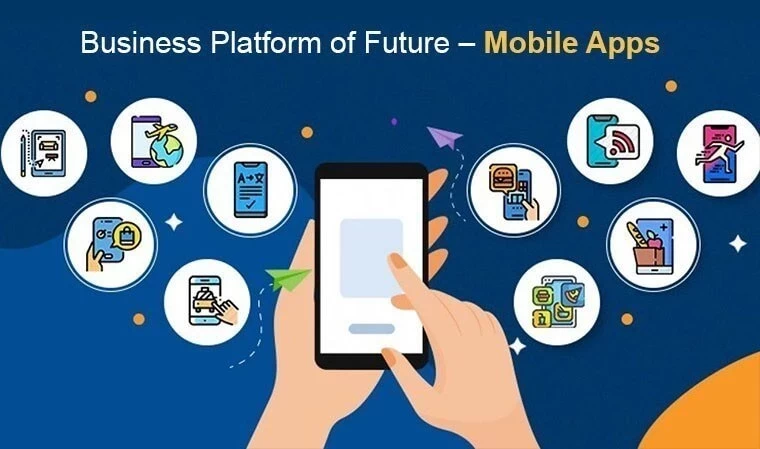
It’s easy to assume that mobile apps are a solved problem. Smartphones are ubiquitous, development tools are mature, and app stores are crowded with options. From the outside, it can look as though building an app is now a commodity activity.
Inside organisations, the reality is very different.
For many UK businesses, mobile applications remain one of the most direct and effective ways to engage customers, support employees, and deliver services in real time. When designed thoughtfully, they can streamline processes, improve visibility, and create experiences that are difficult to replicate through other channels.
More Than a Smaller Website
One of the most common misconceptions about mobile apps is that they are simply compact versions of websites. In practice, successful apps are designed around entirely different assumptions.
Mobile users expect immediacy. They interact in short bursts, often in context-rich environments, and they rely on features such as notifications, location awareness, and offline access. Apps that fail to respect these patterns rarely achieve sustained adoption.
This is why organisations that treat mobile development as a strategic discipline tend to outperform those that see it as an extension of web delivery. They recognise that mobile is not just another channel, but a different mode of interaction altogether.
Supporting Internal Teams, Not Just Customers
While customer-facing apps receive most of the attention, many UK organisations are investing in mobile applications to support internal teams. Field workers, sales teams, and operational staff increasingly rely on mobile tools to access data, complete tasks, and communicate effectively.
Well-designed internal apps can reduce administrative overhead, improve data accuracy, and enable faster decision-making. They also support more flexible working patterns, which have become a permanent feature of the modern workplace.
In these contexts, reliability and usability often matter more than visual flair. An app that works consistently in challenging conditions can deliver more value than one that simply looks impressive.
Designing for Longevity
Mobile technology evolves quickly. New devices, operating system updates, and security expectations create a moving target for development teams. This makes architectural decisions particularly important.
Apps built with a short-term mindset can become expensive to maintain. Technical debt accumulates, performance suffers, and updates become disruptive. Over time, organisations find themselves constrained by their own solutions.
A more sustainable approach focuses on clean architecture, robust testing, and integration with core systems. This allows apps to evolve without requiring constant rework, protecting the original investment.
Integration Shapes the Experience
A mobile app rarely stands alone. It draws on data from multiple systems, triggers workflows, and feeds information back into the wider organisation. When these integrations are poorly designed, the app experience suffers.
Users encounter delays, inconsistencies, or outdated information. Trust erodes quickly.
Conversely, when mobile apps are tightly integrated with backend systems, they become powerful interfaces to the organisation’s digital capabilities. Real-time updates, personalised content, and seamless transactions all depend on this foundation.
This is where mobile development intersects with broader application strategy, rather than existing in isolation.
Balancing Speed and Quality
There is constant pressure to deliver mobile apps quickly. Markets move fast, and stakeholders want results. However, speed without discipline often leads to compromise.
Rushed releases can introduce security vulnerabilities, usability issues, or performance problems that are costly to fix later. The most effective teams balance momentum with rigour, using iterative delivery while maintaining clear quality standards.
Experienced development partners such as Transparity support organisations through this balance, combining mobile expertise with an understanding of how apps fit into wider digital ecosystems. This helps ensure that apps are not only launched successfully, but remain effective over time.
By focusing on outcomes rather than just features, they help teams prioritise what truly matters to users.
Measuring Success Beyond Downloads
A successful mobile app is not defined by how many people download it. Real success is measured in engagement, efficiency, and impact.
Are users returning regularly? Are processes faster or simpler? Is data more accurate or timely? These questions provide a more meaningful picture of value than surface-level metrics.
Organisations that establish clear success criteria early are better positioned to refine and improve their apps over time. They treat mobile products as evolving assets rather than one-off projects.
Mobile as Part of a Broader Strategy
Perhaps the most important shift in recent years is how mobile apps are positioned within organisational strategy. They are no longer side projects or experimental channels. For many businesses, they are central to how services are delivered and experienced.
This makes alignment essential. Mobile initiatives should support broader business goals, integrate with core systems, and reflect the organisation’s approach to security, data, and user experience.
When these elements come together, mobile apps become more than just tools. They become touchpoints that shape how organisations operate and how they are perceived.
Looking Forward
As expectations continue to rise, the role of mobile applications is likely to expand further. Advances in connectivity, device capability, and platform tooling will create new opportunities, but also new complexity.
UK organisations that approach mobile development with clarity and discipline will be best placed to navigate this landscape. By investing in well-designed, well-integrated apps, they can create experiences that deliver lasting value for both users and the business.
