


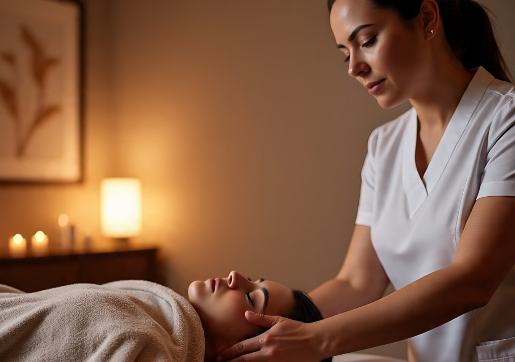
In today’s fast-paced, high-pressure world, mental stress has become a common and persistent challenge for individuals of all ages. Constant demands from work, family, technology, and social obligations can overwhelm the mind, leaving a person feeling anxious, fatigued, and mentally drained. 잠실출장안마 Chronic stress not only affects emotional well-being but also has significant impacts on physical health, contributing to conditions like high blood pressure, headaches, digestive issues, and weakened immunity. While people often turn to medication, meditation, or brief relaxation breaks, massage therapy offers a natural and effective method to reduce mental stress and promote holistic well-being. By addressing both physical tension and mental strain, massage therapy helps individuals achieve a state of calm, balance, and mental clarity.
Understanding Mental Stress and Its Effects
Mental stress occurs when the demands of life exceed an individual’s ability to cope effectively. This stress triggers the “fight or flight” response in the body, activating the sympathetic nervous system and releasing stress hormones such as cortisol and adrenaline. While this response is beneficial in short bursts, prolonged stress keeps the body in a constant state of alertness, impairing emotional regulation, concentration, and overall mental function. Chronic stress also affects the cardiovascular, immune, and digestive systems, making it essential to find methods to restore balance and relaxation.
How Massage Therapy Reduces Cortisol Levels
One of the key ways massage therapy alleviates mental stress is by reducing cortisol, the primary stress hormone. Elevated cortisol levels contribute to anxiety, irritability, and difficulty sleeping. Massage therapy has been shown to lower cortisol production, creating a sense of calm and tranquility. By decreasing the body’s stress response, massage helps the mind relax and recover, fostering emotional stability and resilience.
Boosting Mood and Emotional Well-Being
Mental stress often leads to mood swings, tension, and feelings of frustration or sadness. Massage therapy promotes the release of neurotransmitters such as serotonin and dopamine, which are responsible for feelings of happiness and well-being. Increased levels of these “feel-good” chemicals enhance mood, reduce feelings of anxiety, and counteract the negative emotional effects of stress. This chemical balance allows individuals to approach challenges with a calmer, more positive mindset.
Alleviating Physical Tension Linked to Stress
Mental stress often manifests physically, resulting in tight shoulders, neck stiffness, jaw tension, or back pain. These physical symptoms not only contribute to discomfort but can also exacerbate mental strain. Massage therapy targets these areas of tension, releasing knots and loosening muscles. The reduction of physical stress supports mental relaxation, creating a feedback loop in which a relaxed body promotes a relaxed mind.
Improving Sleep Quality
Stress frequently interferes with sleep, leading to insomnia or poor-quality rest. Lack of restorative sleep further compounds mental strain, reducing focus, emotional stability, and resilience. Massage therapy encourages deep relaxation, lowers cortisol levels, and calms the nervous system, all of which contribute to improved sleep quality. Adequate rest restores mental energy and enhances the ability to cope with daily stressors.
Enhancing Mindfulness and Present-Moment Awareness
Massage therapy promotes mindfulness by encouraging individuals to focus on bodily sensations, breathing, and the present moment. This heightened awareness helps reduce mental chatter, intrusive thoughts, and rumination, all of which contribute to stress. By fostering a state of mental presence, massage therapy allows the mind to settle into calmness, supporting emotional balance and mental clarity.
Supporting the Nervous System
Chronic mental stress overstimulates the sympathetic nervous system, which keeps the body in a state of hyperarousal. This constant activation can lead to anxiety, fatigue, and decreased cognitive function. Massage therapy activates the parasympathetic nervous system, which slows heart rate, lowers blood pressure, and encourages relaxation. This shift creates a state of mental ease, allowing the brain and body to recover from prolonged stress.
Reducing Anxiety and Restlessness
Mental stress is often accompanied by feelings of anxiety, restlessness, and tension. Massage therapy provides a calming environment in which these feelings can be alleviated. The soothing touch, gentle pressure, and rhythmic movements of massage promote relaxation, reduce agitation, and help individuals feel grounded. Reduced anxiety contributes to a clearer, more focused mind and a greater sense of emotional stability.
Enhancing Energy and Mental Clarity
While stress can leave individuals feeling drained and mentally foggy, massage therapy revitalizes both body and mind. Improved circulation, reduced muscle tension, and enhanced oxygen flow to tissues and organs support mental alertness and cognitive function. Individuals often report feeling more energized, focused, and capable of handling tasks after massage sessions, highlighting its role in reducing mental fatigue caused by stress.
Supporting Emotional Resilience
Massage therapy strengthens emotional resilience by helping individuals manage stress effectively and maintain equilibrium during challenging situations. By promoting relaxation and balance in the body, massage therapy creates a foundation for better emotional regulation. Individuals become more equipped to respond to stressors thoughtfully, rather than reacting impulsively or emotionally, fostering long-term mental well-being.
Reducing Headaches and Migraines
Stress is a leading trigger for tension headaches and migraines. Muscle tightness in the neck, shoulders, and scalp often accompanies mental stress, contributing to discomfort and pain. Massage therapy alleviates this tension by targeting affected areas, promoting blood flow, and releasing tight muscles. Reduced physical discomfort supports mental relaxation, decreasing the frequency and intensity of stress-related headaches.
Encouraging a Sense of Safety and Comfort
The environment and experience of a massage session play a significant role in stress reduction. A quiet, comfortable setting, combined with the therapeutic touch of a trained professional, promotes a sense of safety and calm. This supportive atmosphere allows the mind to release worry, tension, and mental strain, creating a deep sense of relaxation that extends beyond the session itself.
Supporting Long-Term Stress Management
Regular massage therapy provides lasting benefits for mental stress management. Consistent sessions help maintain lower cortisol levels, enhance emotional regulation, improve sleep, and prevent the buildup of chronic tension. 사당출장마사지 Over time, individuals develop a stronger ability to manage daily pressures, cope with challenges, and maintain a balanced state of mind.
Complementing Other Stress-Relief Practices
Massage therapy works synergistically with other stress-relief practices such as meditation, yoga, deep breathing, and exercise. By alleviating physical tension and calming the nervous system, massage enhances the effectiveness of these complementary techniques. Individuals who combine massage therapy with other wellness practices often experience a profound reduction in mental stress and improved overall well-being.
Providing a Natural, Holistic Approach
Unlike medications or stimulants, massage therapy offers a natural and holistic approach to stress reduction. It addresses the root causes of tension in both the body and mind, promoting overall health without introducing side effects. Its combination of physical, emotional, and neurological benefits makes massage therapy an ideal solution for long-term mental stress relief.
Conclusion: Embracing Massage Therapy for a Stress-Free Mind
Mental stress affects nearly every aspect of life, from emotional well-being to physical health and cognitive performance. Massage therapy provides a comprehensive, natural solution for reducing stress by alleviating physical tension, balancing the nervous system, enhancing mood, and promoting mindfulness. Regular sessions cultivate emotional resilience, mental clarity, and relaxation, empowering individuals to navigate daily pressures with ease and confidence. By integrating massage therapy into a holistic wellness routine, people can achieve lasting stress relief, improved mental health, and a renewed sense of balance and calm.
