


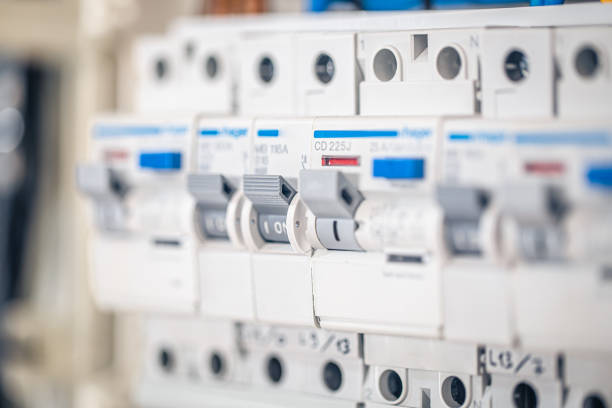
Modern buildings and industrial facilities rely on a complex electrical infrastructure to operate safely and efficiently. At the heart of this infrastructure lies a critical component: electrical switchboards. Whether in residential complexes, commercial buildings, or industrial plants, switchboards play a central role in controlling, protecting, and distributing electrical power.
In this article, we’ll explore what electrical switchboards are, how they work, their key components, and why they are essential to reliable switchgear power solutions. We’ll also take a closer look at common types such as the low voltage switchboard, main switch board, and electric main switch board.
What Are Electrical Switchboards?
Electrical switchboards are assemblies of switches, circuit breakers, fuses, and other electrical control devices used to distribute electricity from a main power source to various circuits within a building or facility. Their primary purpose is to ensure that electrical power is delivered safely, efficiently, and reliably to different loads.
In simple terms, electrical switchboards act as a central hub. Power enters the switchboard from a utility supply or generator and is then divided into multiple outgoing circuits that supply lighting, machinery, HVAC systems, and other electrical equipment.
Why Electrical Switchboards Are Important
Electrical systems carry significant amounts of energy, and without proper control, they can pose serious safety risks. Electrical switchboards help to:
- Protect electrical circuits from overloads and short circuits
- Allow safe isolation of power during maintenance
- Control the flow of electricity to different areas
- Improve system reliability and operational efficiency
By integrating protective and control devices in one location, switchboards form the backbone of modern switchgear power solutions.
Key Components of an Electrical Switchboard
While the design of electrical switchboards can vary depending on application and voltage level, most switchboards include the following components:
1. Circuit Breakers
Circuit breakers automatically interrupt electrical flow when they detect overloads or faults. They protect equipment and prevent fires or electrical damage.
2. Switches and Isolators
These devices allow operators to manually turn circuits on or off, making maintenance and emergency shutdowns safer.
3. Busbars
Busbars are metal strips or bars that distribute power from the incoming supply to outgoing circuits. They are designed to handle high current safely and efficiently.
4. Fuses
Fuses provide backup protection by breaking the circuit when excessive current flows through them.
5. Meters and Monitoring Devices
Modern electrical switchboards often include meters to monitor voltage, current, power consumption, and energy usage.
How Do Electrical Switchboards Work?
The operation of electrical switchboards follows a straightforward but highly controlled process:
- Power Input
Electricity enters the switchboard from a utility supply, transformer, or generator. - Power Distribution
The incoming power is fed into busbars, which distribute it to multiple outgoing circuits. - Control and Protection
Circuit breakers and protective devices regulate the flow of electricity and disconnect faulty circuits when necessary. - Power Delivery
Electricity is safely delivered to lighting systems, machines, outlets, and other loads throughout the facility.
This structured approach ensures continuous power availability while minimizing risks, making electrical switchboards a cornerstone of safe electrical design.
Types of Electrical Switchboards
Different applications require different switchboard designs. Below are some of the most commonly used types.
Low Voltage Switchboard
A low voltage switchboard is designed to operate at voltages typically up to 1,000 volts AC. These switchboards are widely used in residential buildings, commercial spaces, and light industrial applications.
Key features of low voltage switchboards include:
- Compact and modular design
- Enhanced safety features
- Compatibility with automation and monitoring systems
Low voltage switchboards are essential for managing day-to-day electrical loads while maintaining high safety standards.
Main Switch Board
The main switch board is the primary distribution point for electricity in a building. It receives power directly from the utility or transformer and distributes it to subsidiary switchboards and circuits.
The main switch board typically includes:
- A main incoming circuit breaker
- High-capacity busbars
- Metering and protection devices
Because it handles the largest electrical load in a facility, the main switch board is designed for durability, reliability, and ease of access.
Electric Main Switch Board
An electric main switch board is similar in function to a main switch board but is often used as a broader term to describe the complete electrical distribution system at the main level.
Electric main switch boards are commonly found in:
- Industrial plants
- Large commercial complexes
- Infrastructure projects
They are engineered to handle complex power distribution requirements and often integrate advanced switchgear power solutions such as automation, remote monitoring, and fault diagnostics.
Electrical Switchboards and Switchgear Power Solutions
Electrical switchboards are a key element of modern switchgear power solutions, which encompass all equipment used to control, protect, and isolate electrical systems. As power demands increase and systems become more complex, switchboards are evolving to include:
- Smart monitoring and digital controls
- Energy management systems
- Enhanced arc-fault and short-circuit protection
- Integration with renewable energy sources
These innovations improve efficiency, reduce downtime, and enhance overall electrical safety.
Applications of Electrical Switchboards
Electrical switchboards are used across a wide range of industries and environments, including:
- Residential apartments and housing complexes
- Commercial buildings and shopping centers
- Manufacturing and processing plants
- Hospitals and data centers
- Power generation and distribution facilities
Each application requires a tailored switchboard design to meet specific power, safety, and operational needs.
Conclusion
Electrical switchboards are an essential part of any electrical system, serving as the central point for power distribution, control, and protection. From the low voltage switchboard used in everyday buildings to the main switch board and electric main switch board that handle large-scale power distribution, these systems ensure electricity is delivered safely and efficiently.
As part of advanced switchgear power solutions, modern electrical switchboards continue to evolve, incorporating smarter technologies and higher safety standards. Understanding how they work and why they matter is crucial for anyone involved in electrical design, facility management, or industrial operations.
