


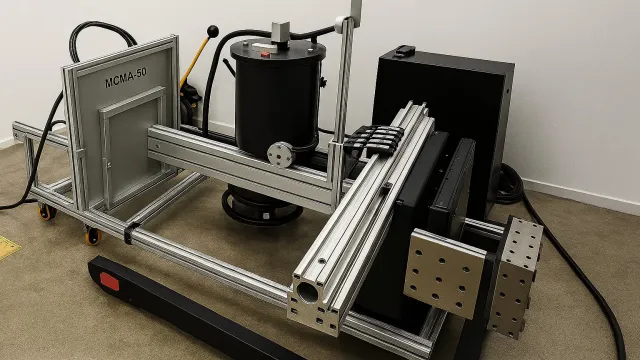
In today’s industrial and medical sectors, efficiency and precision in imaging are crucial. Devices like high voltage X-ray generators play a pivotal role in ensuring clear, accurate, and consistent imaging results. These generators provide the energy needed to penetrate materials and produce detailed images, which are essential in fields such as non-destructive testing, medical diagnostics, and security screening.
Behind the performance of these generators, High Voltage Power Supplies ensure stability, reliability, and safety, making the entire imaging process seamless. Understanding the components, functions, and applications of these systems is vital for industries relying on advanced imaging technology.
How X-Ray Equipment Works
X-ray machines operate by converting electrical energy into high-energy radiation. The main components include the X-ray tube, the generator, and the power supply system. Each component must work harmoniously to produce precise imaging results.
- X-Ray Tube: Acts as the source of radiation, where electrons collide with a metal target to produce X-rays.
- Generator Role: Provides the necessary electrical energy to drive the tube efficiently.
- Power Supply Function: Supplies stable voltage and current, protecting the system from fluctuations that could affect image quality.
This coordination ensures that the images are sharp, consistent, and reliable, allowing professionals to make accurate assessments.
Key Features of High Voltage X-Ray Generators
Modern X-ray generators have evolved with technological advancements, offering features that improve both performance and safety. Some of the most important features include:
- Variable Output Control: Adjusts the energy levels to match specific imaging requirements.
- Compact Design: Newer models are smaller, easier to install, and maintain.
- Digital Interface: Facilitates easier operation and integration with software for image processing.
- Safety Mechanisms: Includes over-voltage protection, temperature monitoring, and emergency shutdown options.
These features are crucial for industries where accuracy, speed, and safety are non-negotiable.
Types of Generators and Their Applications
X-ray generators vary based on output power and intended application. Understanding the differences can help in selecting the right equipment:
- Low-Power Generators: Ideal for small-scale medical imaging, dental diagnostics, and laboratory use.
- Medium-Power Generators: Suitable for industrial inspection, material testing, and veterinary applications.
- High-Power Generators: Used in heavy-duty industrial applications like aerospace, automotive manufacturing, and security scanning at airports.
Each type is designed to provide optimal performance under specific conditions, ensuring efficiency and accuracy in imaging tasks.
Importance of High Voltage Power Supplies
High Voltage Power Supplies are the backbone of any X-ray system. They regulate the voltage and current supplied to the X-ray tube, ensuring the equipment operates within safe limits while maintaining consistent image quality.
Key roles of these power supplies include:
- Voltage Stabilization: Prevents fluctuations that could distort images.
- Energy Efficiency: Reduces energy waste and operational costs.
- Reliability: Ensures long-term performance with minimal downtime.
- Protection: Guards against electrical surges and overloads, increasing system longevity.
Investing in high-quality power supplies directly impacts the performance and lifespan of X-ray generators, making them an essential consideration for any imaging setup.
Applications Across Industries
X-ray technology is no longer confined to hospitals. It has widespread applications across multiple sectors:
- Medical Diagnostics: Detects fractures, tumors, and other internal issues with high precision.
- Industrial Inspection: Non-destructive testing for cracks, defects, or material inconsistencies in manufacturing.
- Security Screening: Airports, government buildings, and logistics centers use X-rays for safe and efficient scanning.
- Research and Laboratories: Helps in material analysis, quality control, and scientific studies.
This broad spectrum of applications showcases the versatility and necessity of modern X-ray technology supported by robust power solutions.
Advantages of Modern X-Ray Systems
Modern systems have multiple advantages over older equipment, enhancing performance and user experience:
- Improved Image Quality: Advanced generators produce sharper images for better analysis.
- Reduced Exposure: Efficient power control lowers radiation exposure for operators and patients.
- Faster Processing: Digital controls speed up imaging cycles and reduce downtime.
- Ease of Maintenance: Modular designs make repair and upkeep simpler.
These benefits not only improve operational efficiency but also contribute to safer working environments in medical and industrial settings.
Factors to Consider Before Purchase
When selecting X-ray equipment and associated power supplies, certain factors must be evaluated:
- Power Requirements: Match generator output to the application needs.
- Space and Installation: Ensure the system fits the physical space available.
- Operational Environment: Consider temperature, humidity, and other conditions.
- Maintenance Support: Availability of service centers and technical support is crucial.
- Compliance and Safety Standards: Ensure the equipment meets regulatory standards to protect users and patients.
Taking these considerations into account ensures long-term reliability and optimal performance.
Maintenance and Safety Tips
Proper maintenance and adherence to safety protocols are essential for high-voltage X-ray systems:
- Schedule regular inspections of generators and power supplies.
- Keep the equipment clean and dust-free.
- Verify voltage levels and operational parameters routinely.
- Train operators on safety measures, including radiation protection.
- Replace worn-out components promptly to prevent malfunctions.
Following these practices prolongs equipment life and ensures consistent image quality.
Future Trends in X-Ray Technology
The field of X-ray imaging continues to evolve, driven by technological innovation:
- Digital Integration: Advanced software for image enhancement, storage, and remote access.
- Portable Solutions: Compact generators for mobile and field applications.
- Eco-Friendly Designs: Energy-efficient systems reduce operational costs and environmental impact.
- Automation: Integration with robotics and AI for automated inspection processes.
These trends indicate a future where X-ray imaging becomes more efficient, accessible, and environmentally responsible.
Conclusion
Selecting the right X-ray system involves understanding both the generator and the power supply that supports it. For reliable performance, precise imaging, and long-term support, partnering with a trusted provider is crucial. VJ X-Ray offers state-of-the-art X-ray solutions tailored to medical, industrial, and security applications. Their commitment to quality, innovation, and customer service ensures that clients receive equipment that meets their exact requirements.
Extensive range of generators and power supplies for varied applications, customized solutions to fit specific industry needs, expert technical support and maintenance services and commitment to safety, efficiency, and reliability. With VJ X-Ray, businesses and medical facilities can upgrade their imaging capabilities confidently, ensuring accuracy, efficiency, and safety across all operations.
