


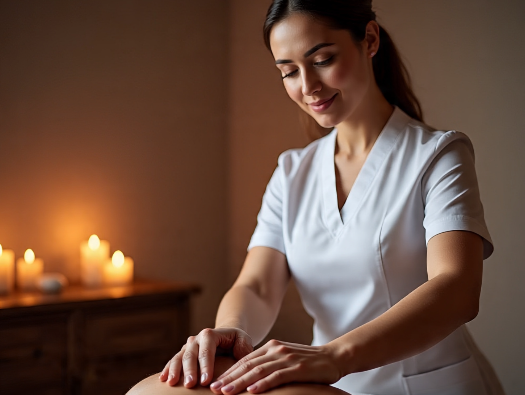
Muscle soreness is a common problem experienced by athletes, fitness enthusiasts, and even people who perform routine physical tasks. Whether caused by intense workouts, repetitive movements, poor posture, or long hours of labor, soreness can limit mobility, reduce performance, and impact overall well-being. 부천출장마사지 While stretching, rest, and hydration are commonly used to manage muscle soreness, massage therapy has emerged as a highly effective solution. By promoting blood flow, reducing tension, and accelerating recovery, massage therapy addresses the root causes of soreness while supporting the body’s natural healing mechanisms.
Understanding Muscle Soreness
Muscle soreness occurs when muscle fibers experience microscopic damage, usually from overuse or intense physical activity. This condition is often referred to as Delayed Onset Muscle Soreness (DOMS), which typically develops 12–24 hours after strenuous activity and peaks around 24–72 hours. Symptoms include tenderness, stiffness, swelling, and reduced range of motion. While soreness is a natural response indicating that muscles are adapting and strengthening, excessive or prolonged discomfort can hinder daily activities, training, or athletic performance.
The factors contributing to muscle soreness include:
- Microtears in Muscle Fibers – Exercise or repetitive strain can cause tiny tears in muscle tissues.
- Lactic Acid Accumulation – Intense activity produces lactic acid, which can contribute to temporary discomfort.
- Inflammation – The body’s response to microdamage leads to swelling and pain.
- Muscle Fatigue – Overworked muscles become less efficient, increasing tension and soreness.
How Massage Therapy Works to Reduce Muscle Soreness
Massage therapy addresses these causes through both physiological and neurological mechanisms.
- Enhanced Blood Circulation
One of the key benefits of massage is improved blood flow. The application of pressure and rhythmic movements during massage encourages circulation in the affected muscles. Increased blood flow delivers oxygen and essential nutrients to damaged tissues, supporting repair and reducing fatigue. Simultaneously, it helps remove metabolic waste products, including lactic acid, which can accumulate after intense activity. Enhanced circulation accelerates recovery, alleviates soreness, and restores energy to fatigued muscles. - Reduction of Muscle Tension
Sore muscles often become tight or knotted due to overexertion. Massage techniques such as kneading, friction, and stretching release these tension points, relax muscle fibers, and improve flexibility. By addressing tightness, massage reduces discomfort and allows the muscles to move more freely, enhancing overall mobility and functionality. - Promotion of Lymphatic Drainage
Massage stimulates the lymphatic system, which plays a crucial role in removing excess fluid, toxins, and cellular waste from the body. By enhancing lymphatic flow, massage helps reduce inflammation and swelling associated with muscle soreness. This contributes to faster recovery and a feeling of relief in the affected areas. - Activation of the Parasympathetic Nervous System
Massage therapy engages the parasympathetic nervous system, which promotes relaxation and counters the effects of stress. By calming the nervous system, massage reduces muscle tension, lowers pain perception, and promotes a sense of ease and comfort. Relaxed muscles are less prone to spasms and secondary soreness, helping individuals recover more efficiently. - Pain Relief Through Neurological Effects
Massage stimulates sensory receptors in the skin and muscles, which can block or override pain signals sent to the brain. This “gate control” effect reduces the perception of soreness and discomfort, allowing individuals to move more comfortably even when recovery is ongoing. Additionally, massage triggers the release of endorphins, the body’s natural painkillers, which further alleviate discomfort.
Types of Massage Effective for Muscle Soreness
Different massage techniques target muscle soreness in various ways:
- Swedish Massage: Gentle, flowing strokes improve circulation, reduce tension, and enhance overall relaxation.
- Deep Tissue Massage: Focuses on deeper muscle layers to release chronic knots and tightness, ideal for post-workout recovery.
- Sports Massage: Designed specifically for athletes, it combines stretching, compression, and deep tissue techniques to prevent soreness and enhance performance.
- Myofascial Release: Targets fascia (connective tissue) to relieve tightness and improve mobility in sore muscles.
- Trigger Point Therapy: Focuses on specific points of tension that cause localized or referred soreness.
Immediate Benefits of Massage for Muscle Soreness
- Reduction in Pain and Discomfort
Within a single session, massage can alleviate soreness by loosening tight muscles and stimulating blood flow. This provides immediate relief, allowing for better mobility and comfort. - Increased Range of Motion
Muscle stiffness often limits flexibility and joint movement. Massage stretches muscle fibers and releases adhesions, improving range of motion and reducing the impact of soreness on daily activities or athletic performance. - Relaxation and Stress Relief
Sore muscles can cause secondary tension in other parts of the body due to compensatory movements. Massage relaxes the entire musculoskeletal system, reducing overall stress and promoting a sense of physical ease.
Long-Term Benefits of Regular Massage for Soreness Management
- Prevention of Recurring Muscle Pain
Consistent massage therapy helps maintain muscle elasticity, flexibility, and balance, reducing the likelihood of repeated soreness from everyday activities or workouts. - Enhanced Recovery and Performance
Regular massage accelerates recovery by improving circulation, reducing inflammation, and promoting tissue repair. 부평출장안마 This allows individuals to train more effectively, maintain higher levels of performance, and reduce downtime due to soreness. - Improved Muscle Function and Efficiency
By releasing tension and addressing imbalances, massage improves muscle coordination and efficiency. Muscles work more effectively, experience less strain, and recover faster after exertion. - Reduced Risk of Injury
Sore or tight muscles are more susceptible to strains, tears, and overuse injuries. Massage keeps muscles supple, balanced, and resilient, reducing the risk of injury while supporting long-term musculoskeletal health.
Incorporating Massage into a Soreness Management Routine
To maximize the benefits of massage for muscle soreness, consider these tips:
- Post-Workout Sessions: Schedule massage within 24–48 hours after intense activity to target delayed-onset muscle soreness.
- Regular Maintenance: Weekly or bi-weekly sessions help prevent tension buildup and reduce chronic soreness.
- Combine With Stretching and Mobility Work: Enhances flexibility, reduces adhesions, and prolongs the benefits of massage.
- Hydration: Drink water before and after massage to support circulation and toxin removal.
- Communicate With Your Therapist: Specify areas of discomfort and preferred pressure to ensure a targeted and effective session.
Practical Considerations for Busy Individuals
Even for those with tight schedules, massage can be adapted to reduce muscle soreness effectively:
- Short, Targeted Sessions: 20–30 minutes focused on sore areas can provide significant relief.
- Chair or On-Site Massage: Ideal for office workers or busy professionals who cannot attend a spa or clinic regularly.
- Self-Massage Tools: Foam rollers, massage balls, and handheld devices can complement professional massage sessions.
Conclusion
Muscle soreness is an inevitable part of physical activity and daily life, but it does not have to limit performance or comfort. Massage therapy provides a comprehensive approach to reducing soreness, promoting recovery, and enhancing overall physical function. By improving circulation, releasing muscle tension, stimulating the lymphatic system, and activating neurological mechanisms for pain relief, massage addresses both the symptoms and underlying causes of muscle soreness.
Regular massage sessions offer both immediate relief and long-term benefits, including improved flexibility, faster recovery, reduced risk of injury, and enhanced overall muscle function. For athletes, fitness enthusiasts, and even individuals with active daily routines, massage therapy is an invaluable tool for maintaining comfort, optimizing performance, and supporting long-term musculoskeletal health. By incorporating massage into a recovery and wellness routine, individuals can reduce soreness, prevent chronic discomfort, and enjoy greater mobility, energy, and overall physical well-being.
